

Green Tea Discovery Collection
Green Tea Discovery Collection
Couldn't load pickup availability
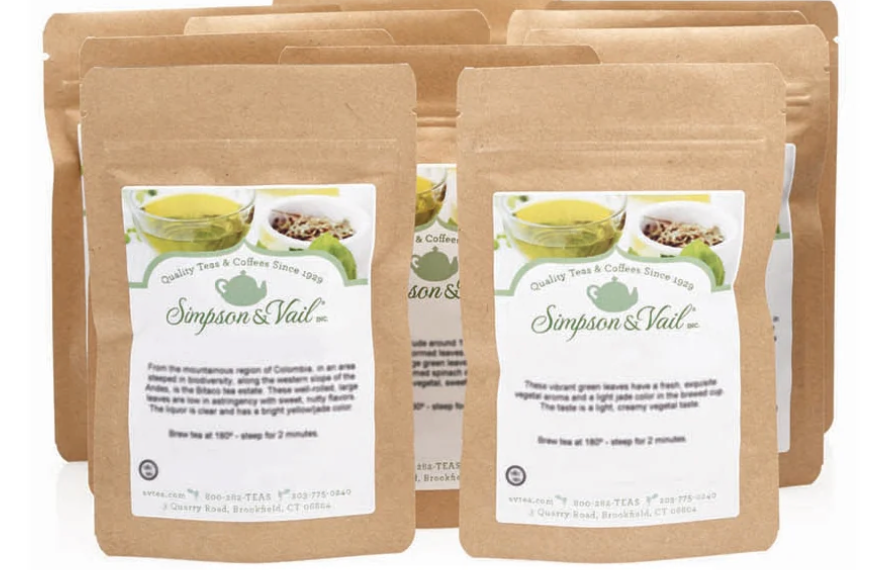
Choose from 10 distinctive loose-leaf green teas, ranging from delicate and floral to earthy, nutty, citrusy, and bright.
Each tea is sold individually in a sampler-size package that makes approximately 6–8 cups and includes brewing instructions. They're perfect for exploring a new tea before committing to a larger size—or for mixing and matching several varieties to create your own tasting experience.
Choose Your Tea
China Mountain Green OP
A steamed Chinese green tea with a fresh vegetal aroma and delicate, lightly citrusy flavor.
Colombian Selva Curly Organic
A distinctive Colombian green tea with notes of roasted nuts, toast, cooked vegetables, and tropical fruit. Brisk yet mellow, with a balance of umami, sweetness, and gentle astringency.
Darjeeling Ambootia Estate Organic
From the historic Ambootia Estate, this organic green tea offers a refreshing aroma, natural sweetness, and more body than many traditional green teas.
Japanese Genmaicha
A classic combination of Sencha green tea and toasted rice, creating a fresh cup with a distinctive roasted, nutty character.
Gu-Zhang-Mao Jian Organic
A delicate, high-altitude Chinese green tea harvested in spring, with lightly sweet, fruity, and rose-like notes.
Mao Feng Green – Criss Cross
Grown in China's Anhui Province, this tea produces a pale, delicate cup with a fresh, lightly vegetal aroma.
Shenandoah
A lively blend of green tea, lemon, ginger, and elderberry. Butterfly pea flowers give the brewed tea a beautiful blue-green hue.
Spring Blossom
Green tea and colorful flowers combine with the subtle, sweet flavor of passion fruit for an aromatic and refreshing cup.
Walt Whitman's Organic Green
An earthy, citrus-forward blend of green tea, ginger and eleuthero roots, lemongrass, and lemon peel, inspired by the nature imagery of Walt Whitman's Leaves of Grass.
White Monkey Organic
A beautiful Chinese green tea with fuzzy white-tipped leaves, a delicate floral aroma, satisfying body, and subtly flowery finish.
Each Sampler:
- Sold individually—choose your favorite variety
- Makes approximately 6–8 cups
- Includes tea-specific brewing instructions
- Perfect for trying something new or creating your own assortment
Share
Frequently Asked Questions
Why Drink Green Tea?
Beyond its fresh, complex flavors, green tea is enjoyed for its naturally occurring plant compounds and potential wellness benefits.
Rich in Antioxidants: Green tea contains polyphenols called catechins, including EGCG, antioxidants that help protect cells from oxidative stress.
Calm, Focused Energy: Green tea naturally contains both caffeine and L-theanine. Together, they can support alertness and focus while providing a gentler energy boost than many people experience with coffee.
Heart & Metabolic Health: Regular green tea consumption has been associated with cardiovascular health and healthy blood sugar metabolism as part of an overall balanced diet.
Brain Health: Research also suggests that the compounds naturally found in green tea may play a role in supporting cognitive health and healthy aging.
Of course, every tea is different. Caffeine and antioxidant levels can vary depending on the variety, growing conditions, processing, serving size, and brewing method.
Where Did Green Tea Originate?
Green tea originated in China, where tea cultivation and consumption date back thousands of years. Green tea is made from the leaves of Camellia sinensis, the same plant used to make black, white, and oolong teas. The difference comes primarily from how the leaves are processed after harvesting.
China is generally credited with developing the earliest green tea traditions. Freshly picked leaves were heated soon after harvest—traditionally by pan-firing—to prevent oxidation and preserve their green color and fresh, vegetal character.
Green tea later traveled from China to Japan, where it became deeply embedded in Japanese culture. Japanese producers developed their own methods, most notably steaming the leaves rather than pan-firing them. That's one reason Japanese green teas such as Sencha can taste distinctly different from Chinese green teas.
How Do I Brew Green Tea?
For the best flavor, green tea should generally be brewed with water that is **hot but not boiling**, typically around **170–185°F**. Steep for approximately **2–3 minutes**, depending on the variety and your taste. Water that is too hot or a steep that is too long can bring out more bitterness. Each of our Green Tea Discovery packages includes **brewing instructions specific to that tea**.