


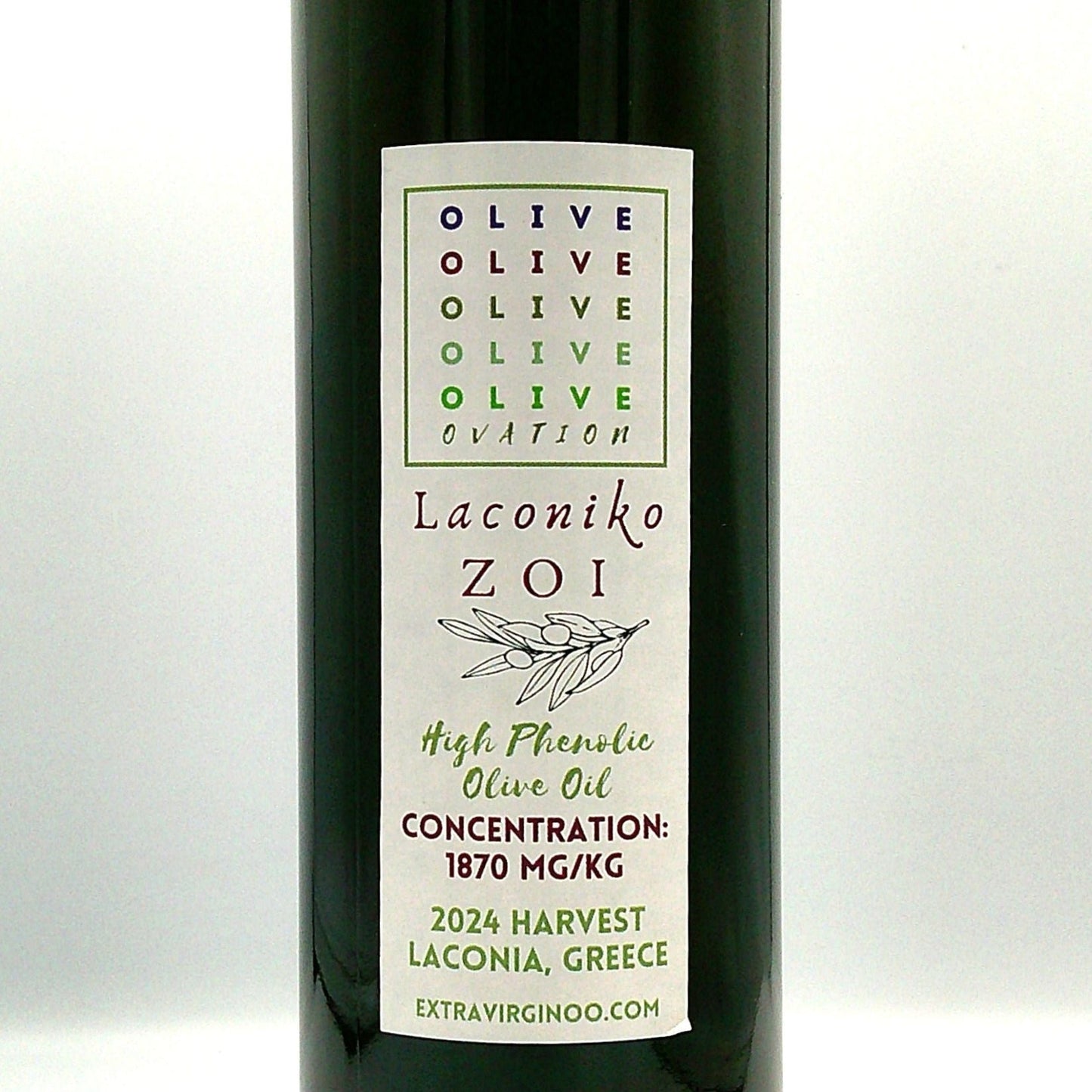
Laconiko Zoi High Phenolic EVOO
Laconiko Zoi High Phenolic EVOO
Couldn't load pickup availability
Product Details
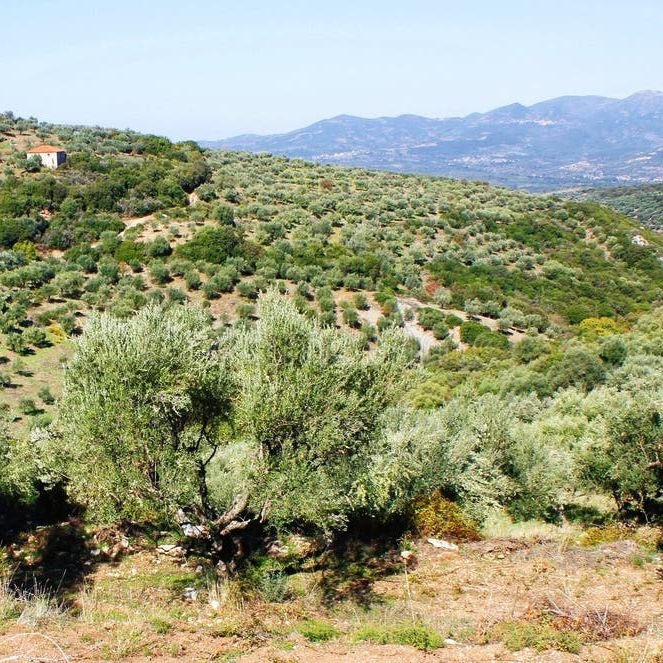
Country: Greece
Region: Laconia
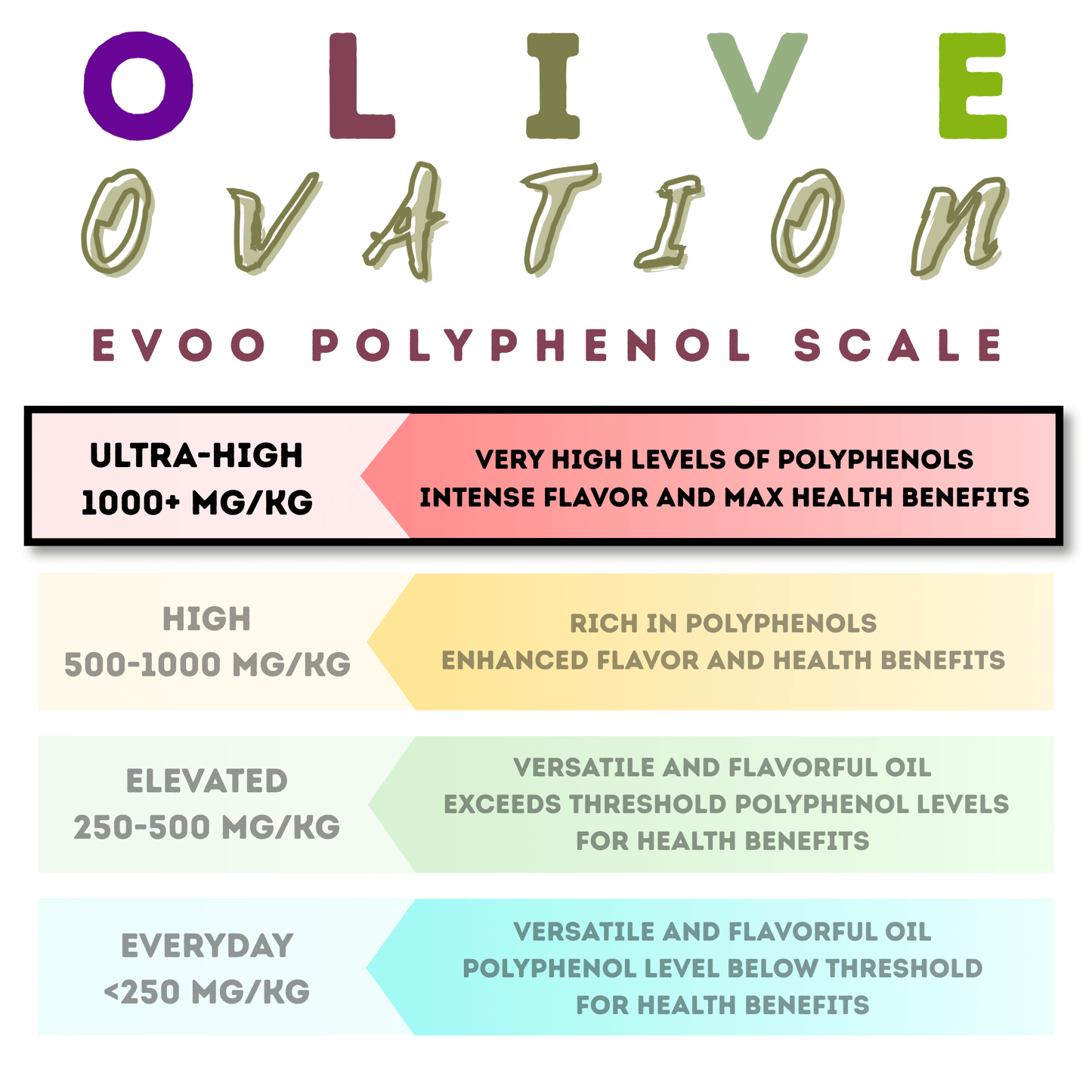
Polyphenol Level: Ultra High
Type of Olive: Kalamon
Extraction: Cold Pressed
Flavor Profile: Grassy
Best Uses: Health, Dressings, Drizzle
About Laconiko Zoi
The 2025 Harvest is SOLD OUT! We expect the 2026 Harvest in November.
Polyphenols
1397 mg/kg
Oleocanthol
1000 mg/kg
Production
ZOI is crafted in Greece, from a specially selected early harvest of Kalamon olives, renowned for their high phenolic concentration.
Health Benefits
Oleocanthal is known for its anti-inflammatory properties. A little goes a long way!
Suggested Use
We recommend 1–2 teaspoons daily (5–10 ml), taken first thing in the morning.
Share
Frequently Asked Questions
What makes Laconiko ZOI extra virgin olive oil high in polyphenols?
Laconiko ZOI is a high-polyphenol extra virgin olive oil made from early harvest Kalamon olives grown in Greece. The olives are harvested early in the season, when phenolic compounds like oleocanthal and oleacein are at their peak concentration. ZOI contains approximately 1,397 mg/kg of total polyphenols, including about 1,000 mg/kg of oleocanthal, placing it among the highest polyphenol olive oils in the world. The olives are hand-picked and cold-extracted within hours to preserve these bioactive compounds.
What are the health benefits of high-oleocanthal olive oil like ZOI?
High-oleocanthal olive oils like Laconiko ZOI are associated with anti-inflammatory and antioxidant benefits. Oleocanthal, a naturally occurring phenolic compound, has been studied for its potential role in reducing inflammation, supporting cardiovascular health, and protecting against oxidative stress. Because ZOI contains exceptionally high levels of oleocanthal, it is often sought out by consumers looking for functional, health-focused extra virgin olive oil.
Why is the production of Laconiko ZOI so limited?
Laconiko ZOI is produced in limited quantities because it is made from an early harvest of Kalamon olives, which yield significantly less oil than fully ripened olives. The olives are hand-picked and milled within hours at controlled low temperatures to maximize polyphenol retention rather than oil volume. This meticulous process prioritizes quality, potency, and phenolic concentration over yield, resulting in a rare, high-oleocanthal extra virgin olive oil.